Customers Have the Choice

During the last weeks, the need of masks to protect ourselves from Covid-19 has become immense. I needed to purchase some extra masks, and I did so from an e-shop of a manufacturing firm that favored high customer ratings. Just before completing my purchases, the website successfully proposed some nice looking pair of underwear; I liked them and added them to the basket. Being a man who appreciates experience, what I was experiencing so far in this digital shopping trip was seamless and up to my expectations. The following small twist in the final step before proceeding to check out, gave me an extra warm feeling just like a cherry on top of a cake.

The text next to a tick box read: No packaging: Choose not to include packaging for the underwear, so that packaging can be promptly recycled within our factory premises. Do it for a planet with less waste.

Screenshot from https://www.lord.gr/en/

Some may think that this a camouflaged initiative that aims to avoid packaging cost and to result to lower shipment costs (due to smaller packaging volume). Others would even disagree with the practice and argue that the unboxing experience would be non-existent resulting to a poorer product experience right at its start. I would agree with both statements but let’s take a moment to pause and think it over.

Ticking a box to opt in during an online shopping trip, is a small manifestation of freedom of choice. A person who likes unboxing would not opt in while an eco-sensitive person would. To me, giving the power of choice to the Customer is synonymous to a feel-good gesture for him. I would also add that freedom of choice represents something more important than power; it represents the right of the individual to be a free agent in his relationships with other humans in the society, to choose his own course of action in order to make the right decisions to the benefit of the society. Thinking it over, this does not feel like a cheap trick, but it feels more like a small example of empowerment for a greater, sustainable future.

Customers Have the Choice

Towards a more sustainable and affordable future

Every time I unwrap a luxury item (actually not very often) the amount of packaging waste really blows my mind. The higher the price/volume ratio for a product, the more the packaging waste…

Speaking of this, while shopping in a personal care and beauty shop, I noticed the below “fountain” device from Mugler Fragrances where customers can refill their favorite perfume. It immediately stroke my sensitive ecology chord…

Photo: Mugler Source

A bit of background to the story… as I later read, Mugler perfumes Angel and Alien have been around for quite some time, with Angel launching back in 1992 (yes that is prior to the millennium!!!). It is considered an iconic fragrance as at it was the first “gourmand” fragrance (= a perfume consisting primarily of synthetic edible/gourmand notes, such as honey, chocolate etc.) that shocked the perfume industry with this innovation. Current annual sales estimates of Angel along with its companion scent Alien account for approximately €250 million!

I asked the salesperson about the price difference between purchasing a 50ml bottle or refilling one. The answer came as a surprise to me. Purchasing a bottle would cost ~€73 while refilling one would cost ~€39 (both options were on discount at that moment). This is a great deal of saving for either a loyal customer or a younger, cost conscious person who is relative new to the franchise.

Could it be that solutions like the above, hit two birds with one stone? On one hand with such small actions, Mugler Fragrances show that they care about the environment and on the other hand, that they provide to their customers a more cost efficient way to enjoy the brand (and finally stay in the Mugler franchise).

On a closing note, one thing is certain to me… it takes more than offering a great, even breakthrough at a time, perfume to stay relevant for 28 consecutive years.

Towards a more sustainable and affordable future

Tell me what do you see when you look at me

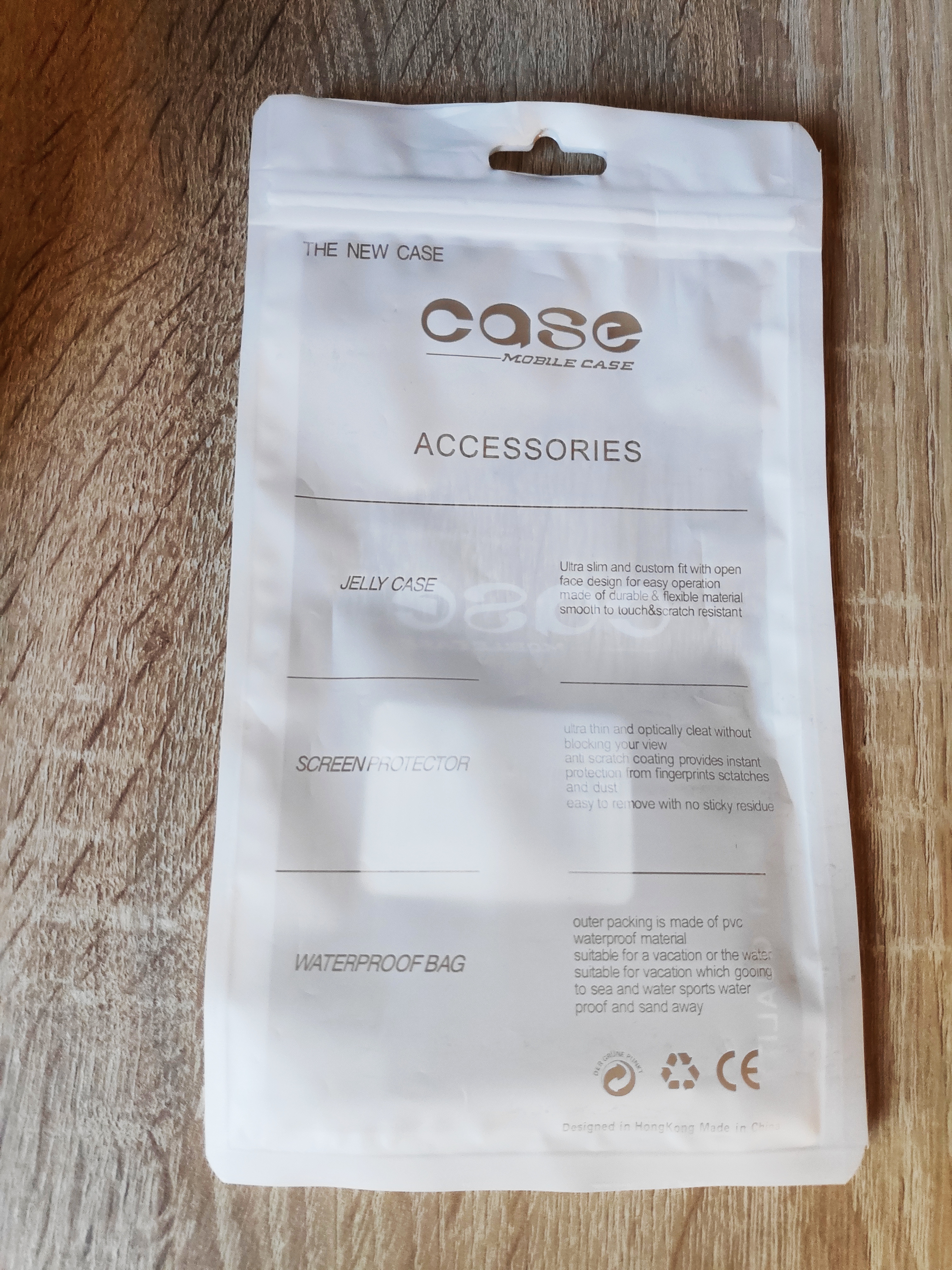
My wife recently bought a case for her new mobile phone. It is a relatively inexpensive, minimal, black plastic mobile phone case. As I was ready to dispose the case’s packaging and since I am obsessed with recycling, I went through the small letters on the packaging to make sure that the case was ok to recycle. We have seen a lot of initiative on minimizing packaging footprint, either by light-weighting packaging, by indicating with clear recyclable signs or even by using compostable containers.

mobile_case

Continue reading “Tell me what do you see when you look at me”

Tell me what do you see when you look at me